
What This Exercise Does
Introduce squat loading with external support and controlled ankle/foot stability.
Why it matters: Builds lower-body strength while allowing the user to control depth and balance.
Use the support to learn the movement—not to pull yourself through it. Choose a depth you can control.
Set Up Your Board
Use the approved Basic Board Setup for this exercise. Position the working foot on the board. A shoe on the other foot may help level standing height. Choose the Right Foot Setup or Left Foot Setup below for the foot you are training.
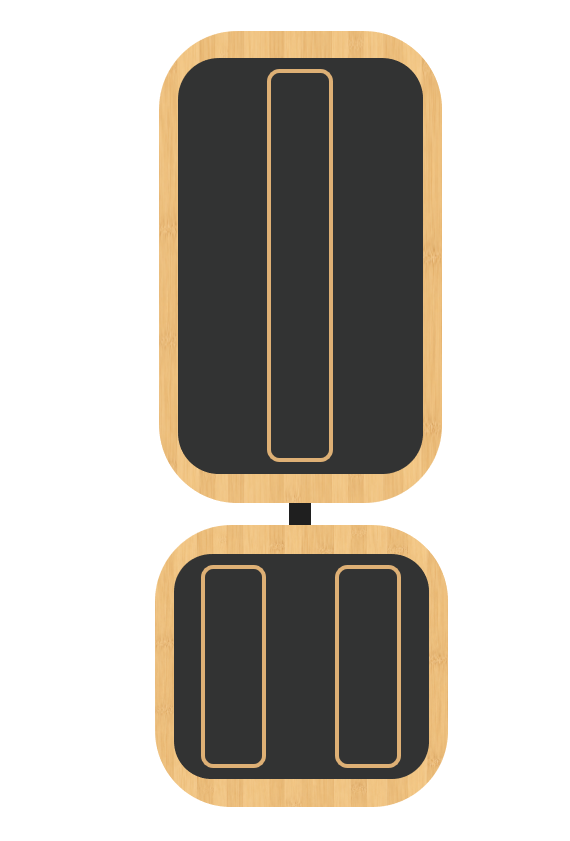
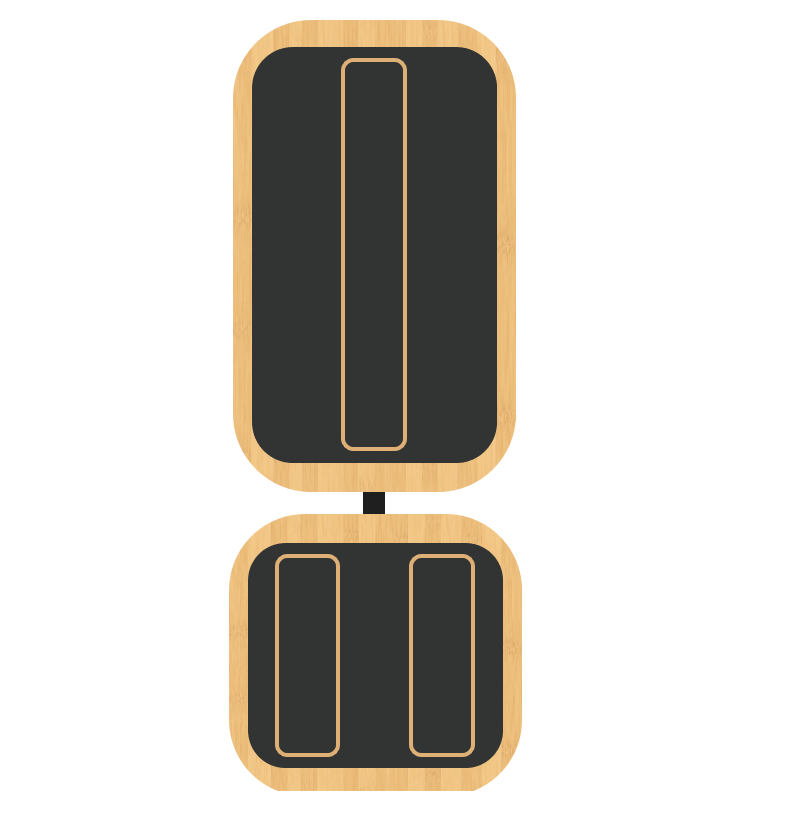
Starting Position
Stand with the back against a wall, feet hip- to shoulder-width apart.
How to Do It
- Bend the knees and hips and lower into a supported squat.
- Go only as deep as you can while maintaining control.
- Keep the working foot stable on the Ankle Balance Board.
- Return to standing with control.
What You May Feel
Thighs, glutes and ankle stabilizers working.
Key Form Cues
- Knees track with the feet.
- Keep hips above knee level if deeper range is not controlled.
- Foot stays stable.
Common Mistakes
- Knees collapsing inward.
- Dropping suddenly into depth.
- Using a range that causes pain or loss of control.
Start with 5–8 controlled repetitions. Perform 1–3 sets. Use a comfortable depth and stop the set if foot, knee, or hip control begins to break down.
Demonstration Video
Your board is ready and you have read the instructions. Watch the demonstration once, then perform the exercise yourself.
Ready for More Challenge?
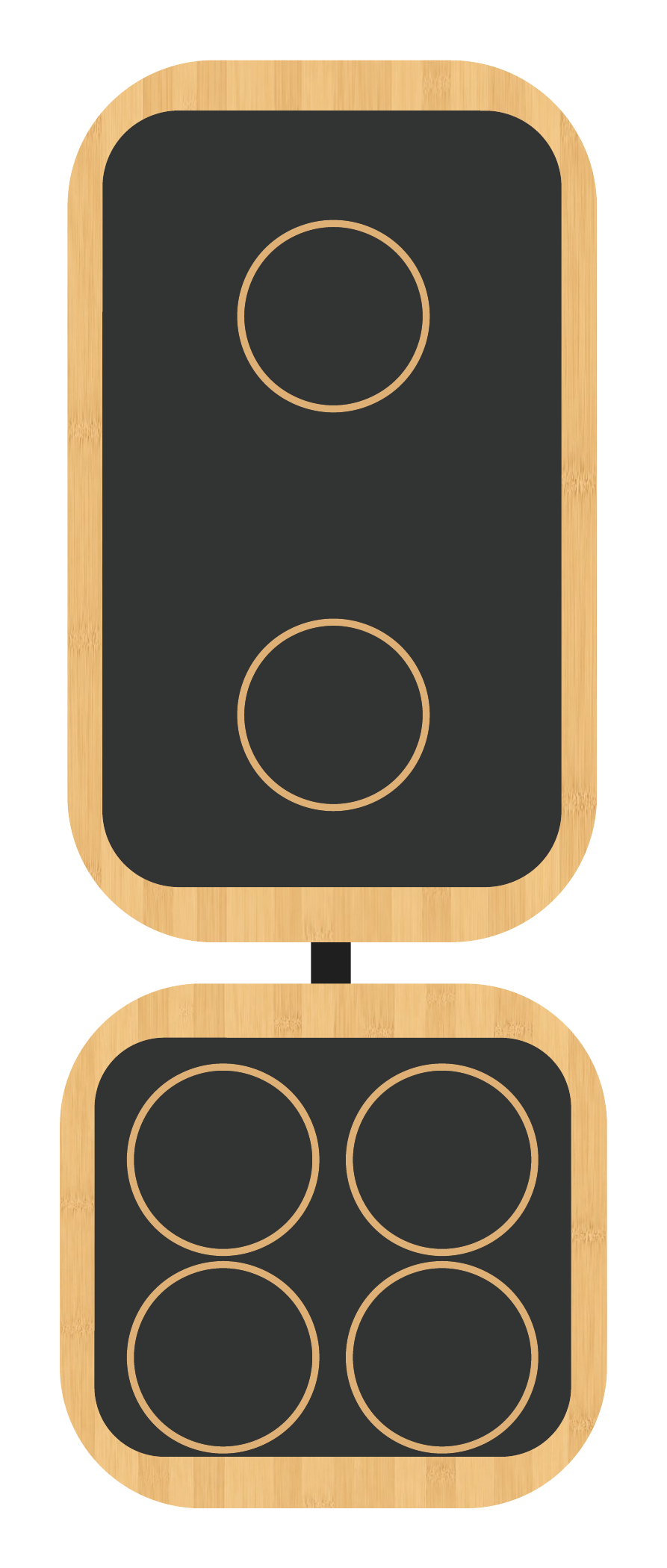
Once you can perform this exercise with good control, you can increase the challenge by using the half-round balance balls.
Use the setup shown below for this exercise. Change only one element at a time. If you lose control, return to the Basic Board Setup.
Squat — Bodyweight
Only try this after the basic exercise meets all four checks: Control, Comfort, Completion and Next-Day Check.
What This Exercise Does
Progress from wall support to an unsupported body-weight squat.
Why it matters: Challenges ankle stability while strengthening the hips and legs through a functional movement.
Stay within a range where your knee and foot remain aligned. Depth comes after control.
Set Up Your Board
Same standard setup; working foot on the Ankle Balance Board. A shoe on the other foot can help level the stance. Choose the Right Foot Setup or Left Foot Setup below for the foot you are training.
Starting Position
Stand feet about shoulder-width apart.
How to Do It
- Push the hips back as if sitting into a chair.
- Bend the knees at the same time and lower to a comfortable depth.
- Keep the working foot stable and extend the arms forward if needed for balance.
- Return to standing slowly.
What You May Feel
Glutes and thighs working, with the working ankle stabilizing throughout.
Key Form Cues
- Controlled depth.
- Knees track over feet.
- Stable board-side foot.
Common Mistakes
- Dropping quickly.
- Knees collapsing inward.
- Rising onto the toes unintentionally.
Start with 5–8 controlled repetitions. Perform 1–3 sets. Build toward 10–12 repetitions only when you can keep the working foot stable and maintain knee alignment throughout.
Demonstration Video
Your board is ready and you have read the instructions. Watch the demonstration once, then perform the exercise yourself.
Squat — Banded
Only try this after the basic exercise meets all four checks: Control, Comfort, Completion and Next-Day Check.
What This Exercise Does
Add external resistance to the squat to increase hip and knee-control demand.
Why it matters: Reinforces lower-body alignment while maintaining foot and ankle control.
The band should add a challenge, not change your technique. Use lighter resistance if your feet or knees lose position.
Set Up Your Board
Use the same standard setup as the squat. Add a light exercise band just above the knees. Choose the Right Foot Setup or Left Foot Setup below for the foot you are training.
Starting Position
Use the same stance as the supported/body-weight squat version selected for the video.
How to Do It
- Maintain gentle outward tension against the band.
- Perform the squat slowly while keeping the working foot stable.
- Return to standing without allowing the knees to collapse inward.
What You May Feel
Greater work through the hips/glutes, with continued foot and ankle stabilization.
Key Form Cues
- Band tension stays light and controlled.
- Do not force the knees excessively outward.
- Keep foot pressure even.
Common Mistakes
- Using a band too strong for good form.
- Letting the feet roll outward.
- Sacrificing depth/control to fight the band.
Start with 5–8 controlled repetitions using a light band. Perform 1–3 sets. Increase repetitions before increasing band resistance, and stop if the band causes your knees or feet to lose position.
Demonstration Video
Your board is ready and you have read the instructions. Watch the demonstration once, then perform the exercise yourself.