
What This Exercise Does
Develop single-leg foot, ankle and whole-leg stability.
Why it matters: Improves balance, body awareness (proprioception) and the ability to control the ankle when the full body-weight is supported on one leg.
A little movement is normal. The goal is to recover balance with small corrections—not to make the board perfectly still.
Set Up Your Board
Use the approved Basic Board Setup for this exercise. Keep a sturdy support within reach when learning the exercise. Choose the Right Foot Setup or Left Foot Setup below for the foot you are training.
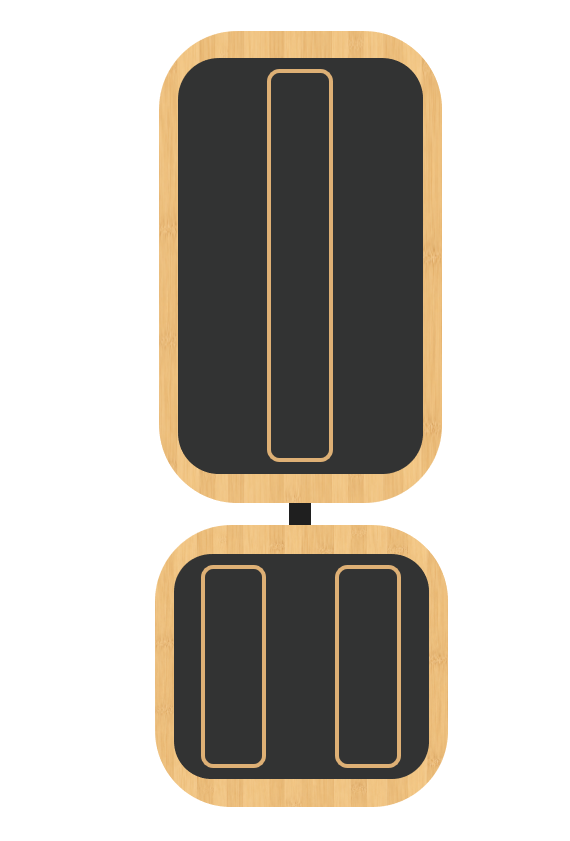
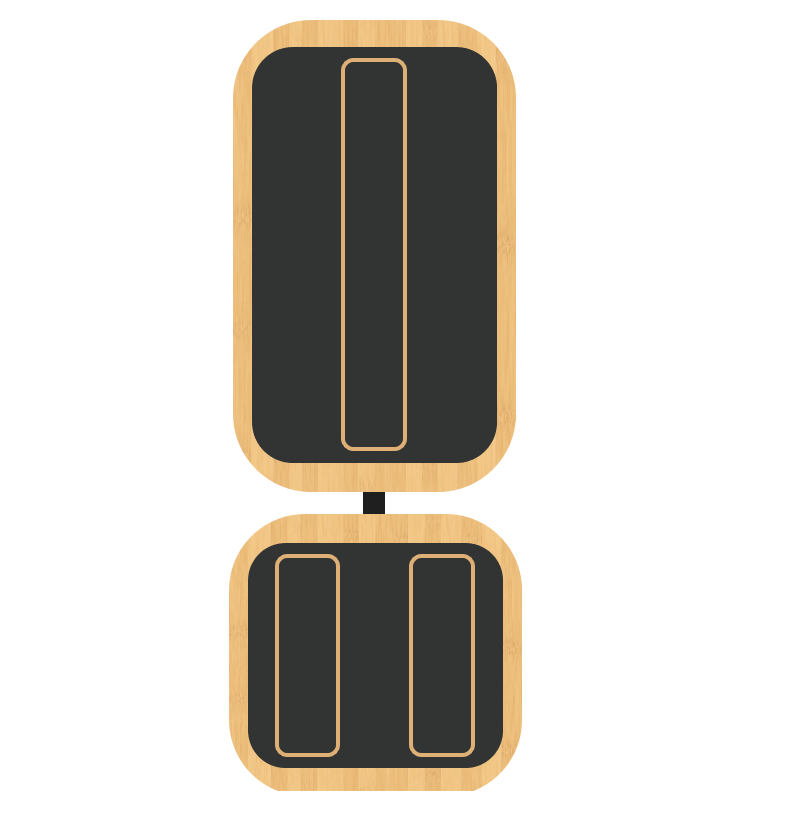
Starting Position
Stand with feet shoulder-width apart and knees slightly bent. Place the working foot on the board and gradually transfer weight until the opposite leg can lift.
How to Do It
- Lift the non-supporting foot from the floor.
- Keep the standing foot controlled and avoid tipping to either side.
- Use a nearby stable surface or briefly tap the free foot down if you need to regain balance.
What You May Feel
Active work through the standing foot, ankle, hip and thigh.
Key Form Cues
- Soft knee.
- Stable foot.
- Tall posture and steady breathing.
Common Mistakes
- Locking the standing knee.
- Letting the ankle collapse quickly.
- Continuing after balance is repeatedly lost.
Hold 15–30 seconds. Perform 3 sets.
Demonstration Video
Your board is ready and you have read the instructions. Watch the demonstration once, then perform the exercise yourself.
Ready for More Challenge?
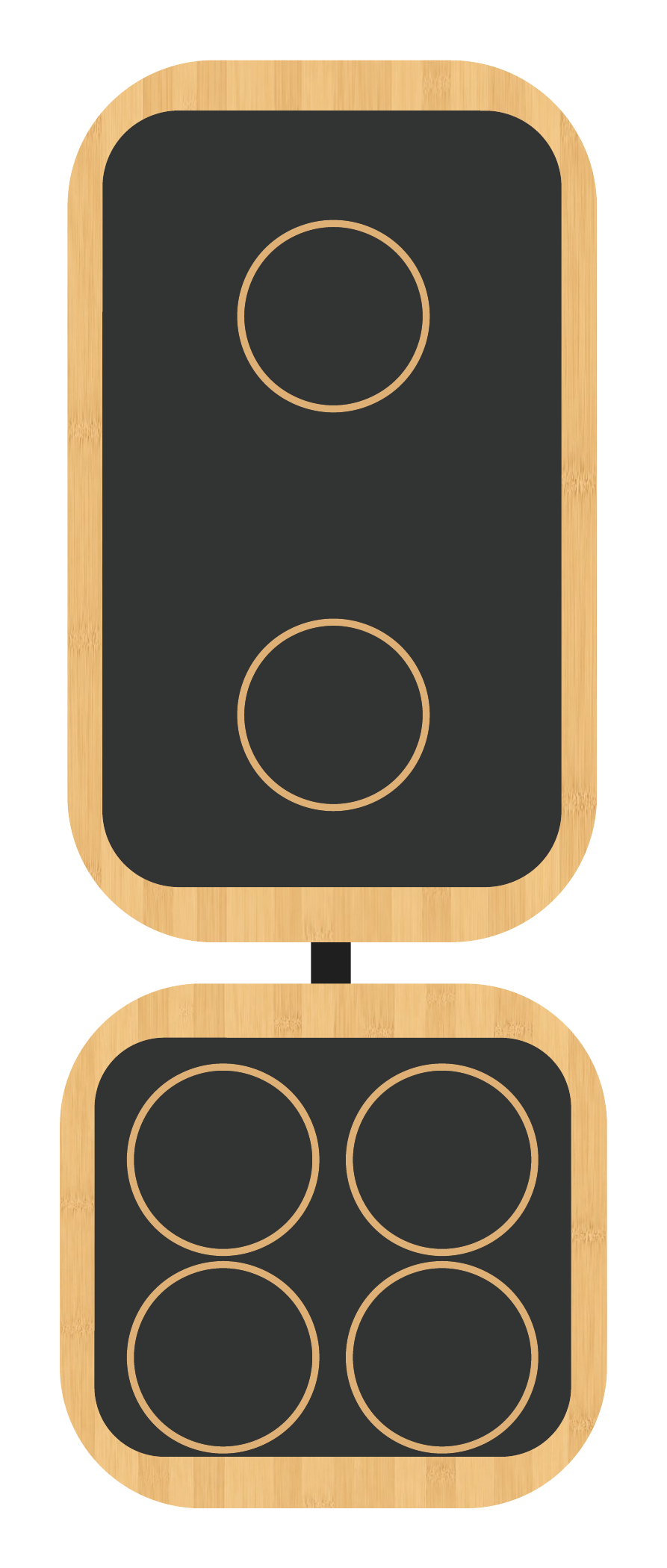
Once you can perform this exercise with good control, you can increase the challenge by using the half-round balance balls.
Use the setup shown below for this exercise. Change only one element at a time. If you lose control, return to the Basic Board Setup.
Single-Leg Balance — Tree Pose
Only try this after the basic exercise meets all four checks: Control, Comfort, Completion and Next-Day Check.
What This Exercise Does
Add a more demanding single-leg position once basic balance is controlled.
Why it matters: Challenges foot/ankle stability while changing the position of the free leg and raising the center of mass.
Choose a Tree Pose position you can own. A lower free-foot position with good control is better than a harder position with poor balance.
Set Up Your Board
Keep the same standard board setup used for Single-Leg Balance. Choose the Right Foot Setup or Left Foot Setup below for the foot you are training.
Starting Position
Balance on the working foot on the Ankle Balance Board.
How to Do It
- Bring the free foot to the inside of the lower leg or thigh. Avoid pressing directly on the knee joint.
- Reach the arms overhead if comfortable.
- Maintain the standing foot and ankle as still as possible.
What You May Feel
Greater stabilizing work through the standing foot, ankle, hip and trunk.
Key Form Cues
- Choose a free-foot position you can control.
- Keep the standing knee soft.
- Use a stable support nearby if needed.
Common Mistakes
- Placing the free foot directly against the knee joint.
- Holding breath.
- Choosing a position too difficult to control.
Hold 15–30 seconds, or as tolerated, for 1–3 sets.
Demonstration Video
Your board is ready and you have read the instructions. Watch the demonstration once, then perform the exercise yourself.
Single-Leg Balance — Airplane
Only try this after the basic exercise meets all four checks: Control, Comfort, Completion and Next-Day Check.
What This Exercise Does
Progress single-leg balance into a controlled hip hinge.
Why it matters: Challenges ankle stability together with hip and posterior-chain control.
Your hinge depth is not the goal. Stop where you can still control the foot, ankle, pelvis, and return movement.
Set Up Your Board
Use the same standard board setup as Single-Leg Balance. Choose the Right Foot Setup or Left Foot Setup below for the foot you are training.
Starting Position
Balance on the working foot with a slight knee bend.
How to Do It
- Lift the free leg behind you.
- Hinge forward from the hips while the back leg rises.
- Aim for the trunk and back leg to move toward a long straight line, only as far as you can control.
- Return slowly.
What You May Feel
Work in the standing foot/ankle, glute and hamstring.
Key Form Cues
- Hip hinge rather than rounding the back.
- Keep the standing knee softly bent.
- Stop before the board or ankle becomes uncontrolled.
Common Mistakes
- Rotating the pelvis open.
- Locking the standing knee.
- Dropping quickly into the hinge.
Hold the controlled airplane position for 15–30 seconds, or as tolerated, over 1–3 sets.
Demonstration Video
Your board is ready and you have read the instructions. Watch the demonstration once, then perform the exercise yourself.