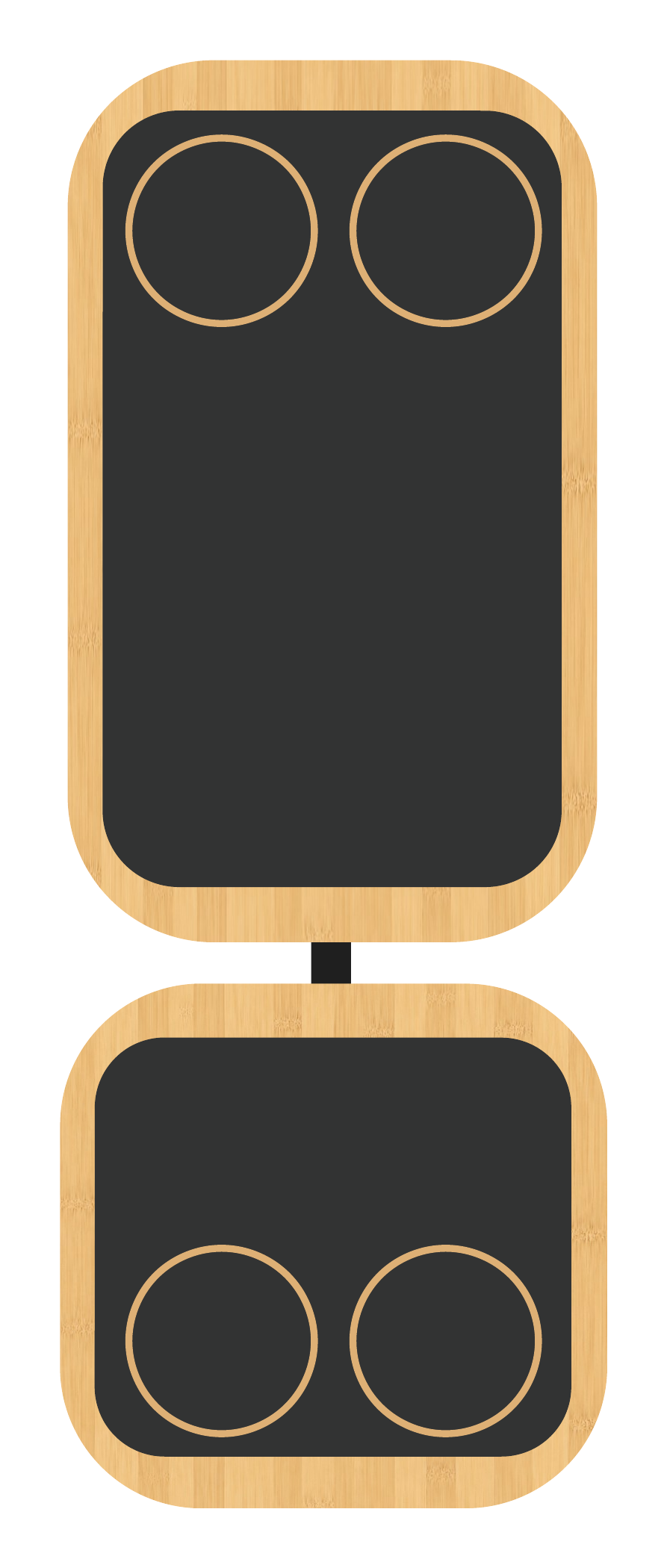
What This Exercise Does
Restore controlled pronation — the natural spreading and flattening motion of the foot during stance.
Why it matters: Supports the foot’s ability to accept load and adapt to the ground, particularly for users with limited pronation or a very rigid/high-arched foot.
Let the foot adapt naturally as you load it. Do not push the arch down or chase a bigger movement.
Set Up Your Board
Place one foot centrally on the Ankle Balance Board using the Basic Board Setup shown below. Choose the Right Foot Setup or Left Foot Setup below for the foot you are training.
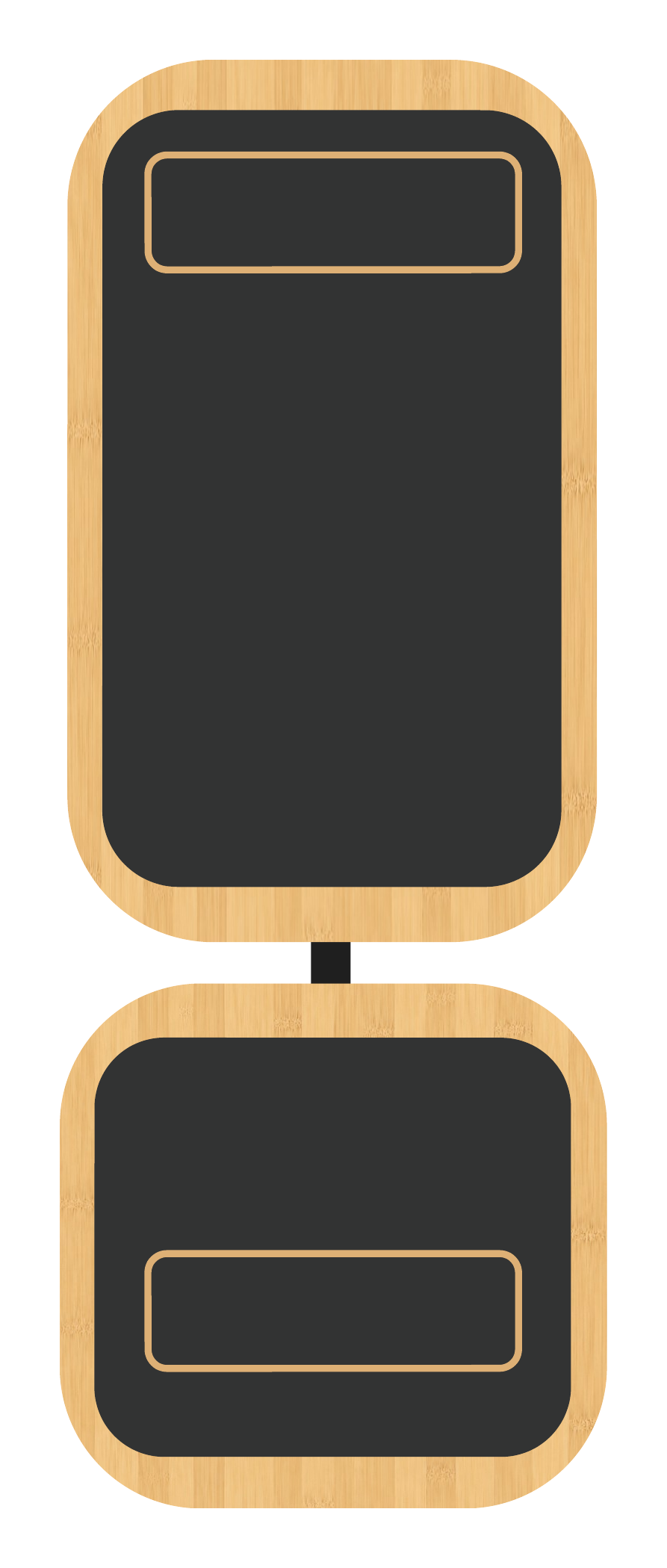
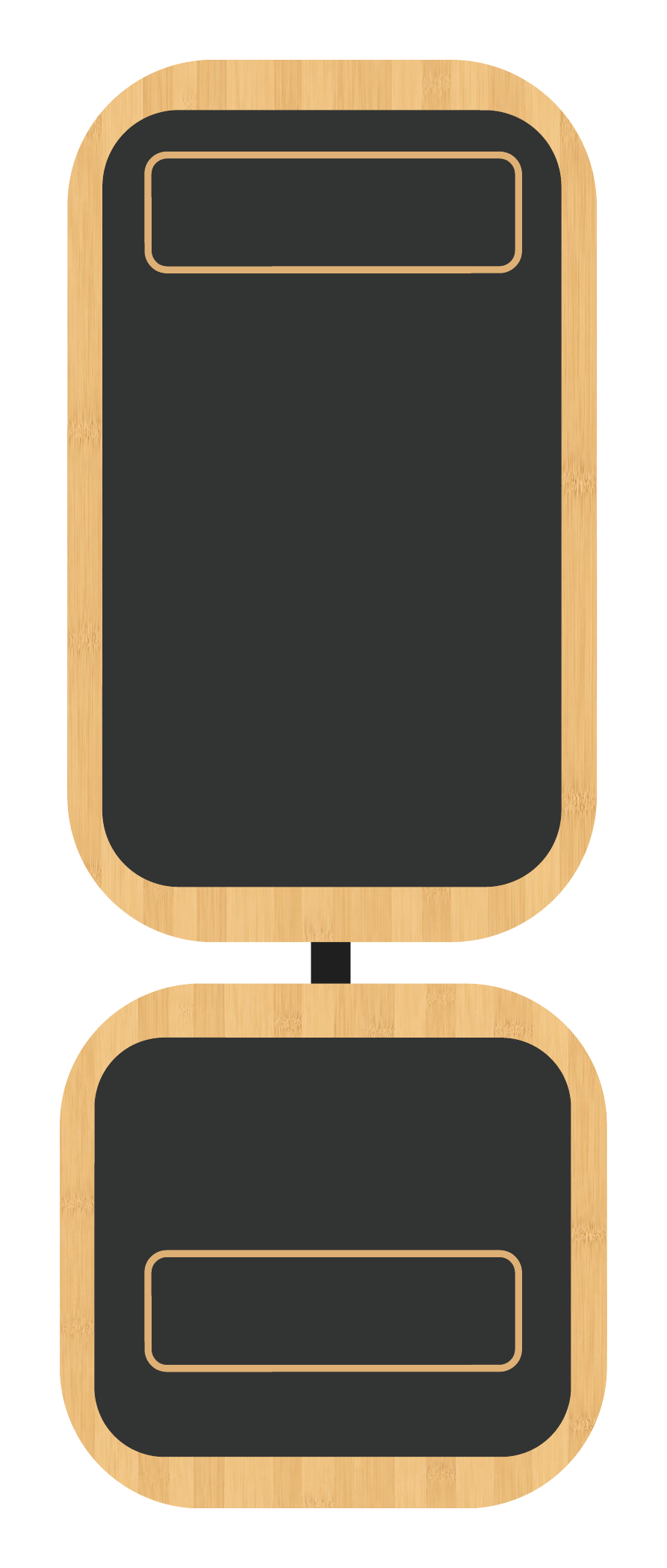
Starting Position
Stand with feet about shoulder-width apart. Use a wall or sturdy object lightly for balance if needed.
How to Do It
- Shift your body-weight toward the foot on the board.
- Bend the knee and ankle so the knee travels forward in a controlled line.
- Allow the foot to spread and the arch to lower naturally without collapsing suddenly.
- Return to the starting position with control.
What You May Feel
A spreading or gentle stretch through the underside and midfoot as the foot loads.
Key Form Cues
- Keep the heel in contact and the knee controlled.
- Allow natural foot spreading rather than forcing the arch flat.
- Use a slow forward-and-back motion.
Common Mistakes
- Knee collapsing sharply inward.
- Rolling onto the inside edge of the foot instead of spreading the whole foot.
- Moving too quickly to feel the foot adapt.
Start with 5–8 slow repetitions per side. Perform 1–2 sets. Build toward 8–10 repetitions only if the movement remains comfortable, controlled, and does not increase symptoms later that day or the next morning.
Demonstration Video
Your board is ready. Watch the demonstration, then perform the exercise slowly and with control.
Ready for More Challenge?
Once you can perform this exercise with good control, you can increase the challenge by using the half-round balance balls.
Use the setup shown below for this exercise. Change only one element at a time. If you lose control, return to the Basic Board Setup.